15yrs | How we’re tackling antimicrobial resistance
Authored by Will Gaze
The Centre’s microbiology group started small. Mick Vos, Lihong Zhang and I were the first to join in 2011, followed by Anne Leonard and Aimee Murray soon after.
It’s easy to forget that, back then, research into the environmental dimension of antimicrobial resistance (AMR) was still relatively nascent: the government had published its first AMR strategy ten years earlier yet our new group was one of only a handful across the country investigating how resistance can develop and spread.
This all changed in 2013 when Dame Sally Davies, then England’s chief medical officer, labelled AMR as “a catastrophic threat” to health and launched a five-year strategy to combat antimicrobial resistance – boosting this vital area of research.
Under the Centre’s broad rubric of ‘environment and health’, our focus was unique in considering AMR evolution, ecology, and epidemiology in natural and farmed environments.
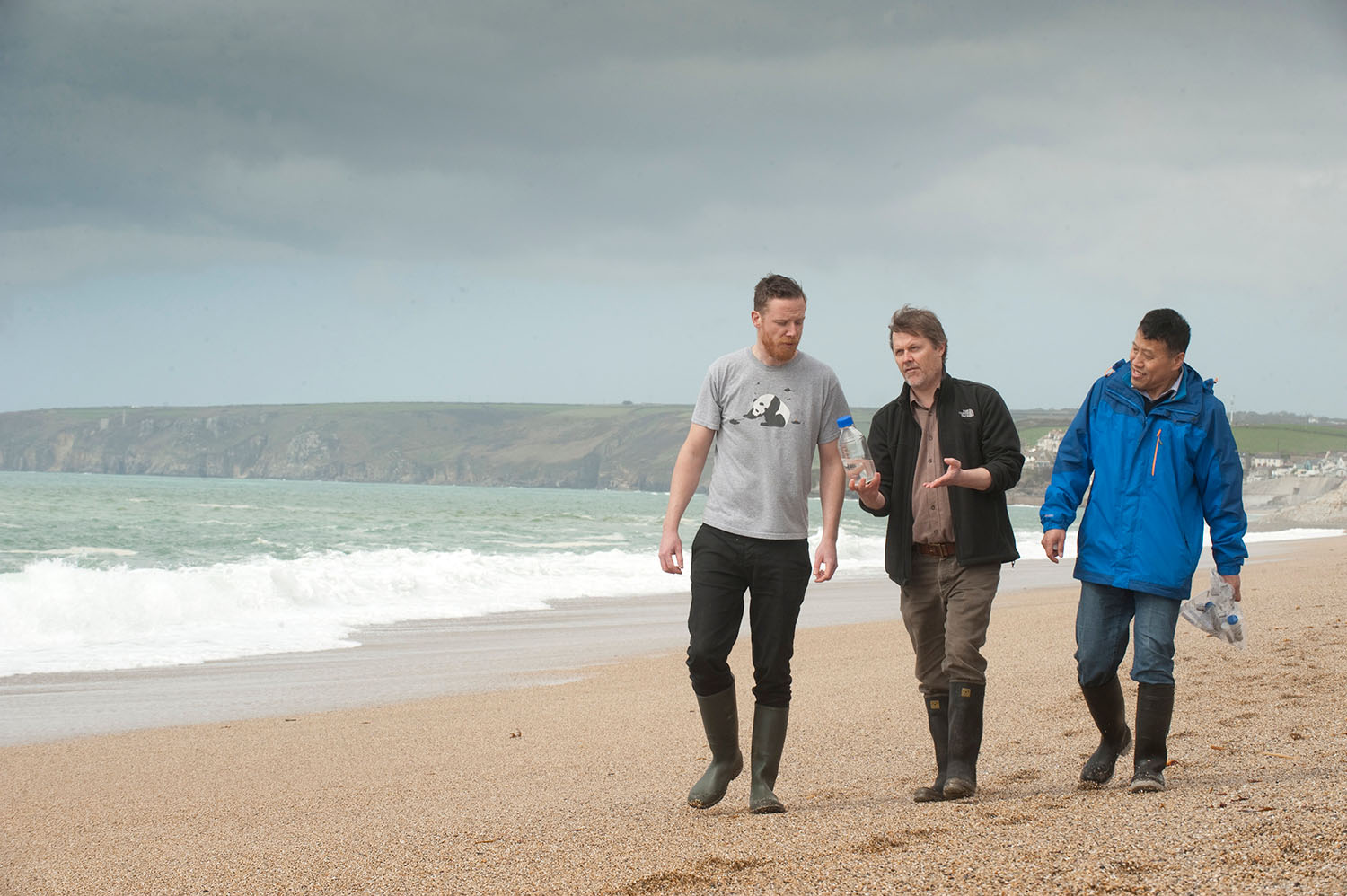
Mick Vos, Will Gaze, and Lihong Zhang – the first members of the AMR team.
As we started to win ever larger grants (£10 million and counting), our group, located within the ESI laboratories, grew over the next 10 years to between 20-30 researchers working both on AMR and other questions related to the evolution of microbes.
We centred our gaze on the aquatic transmission of AMR linked to sewage and agricultural pollution and the evolution of AMR driven by antimicrobial residues in wastewater and sewage – work that developed alongside the need to better understand AMR across landscapes and in livestock farming.
At times it can feel like we’re stuck in a life-or-death arms race against pathogens: we need to understand how they develop resistance to our antibiotics before they do, so our drugs remain effective against infection. And in such a fast-moving field, we’ve had to stay agile and constantly adjust our focus.
Most recently, we have expanded our work to other pollutants, such as non-antibiotic drugs and microplastics, that can affect the development of AMR. We’re also considering how other factors such as climate change, antibiotic prescribing practices, wastewater surveillance, and even wild swimming can contribute.
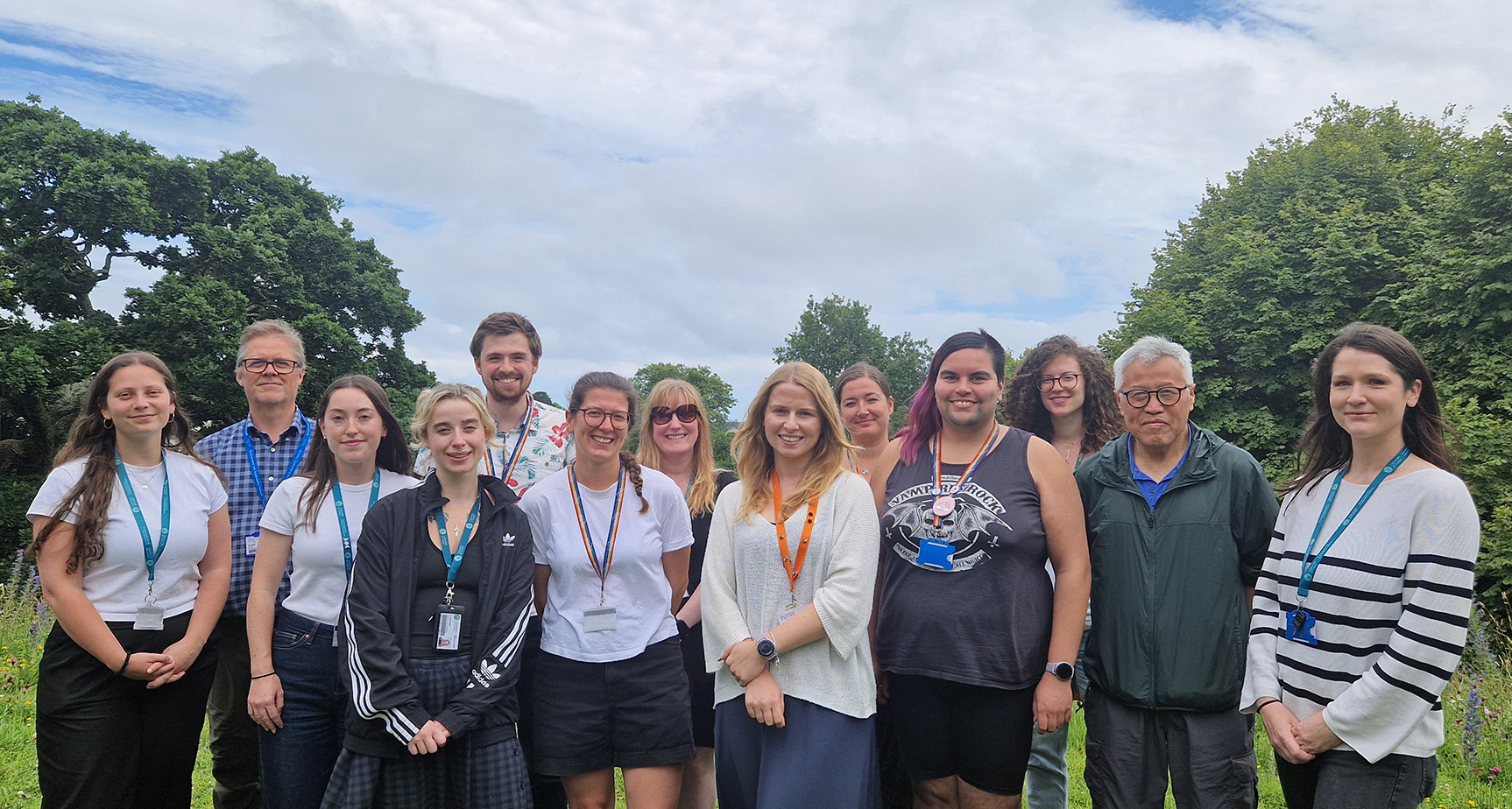
A selection of the current AMR team.
After 15 years of effort – punctuated with frustration, determination, and breakthroughs in equal measure – our work is paying off.
We’re having a vital impact on UK, EU and global AMR policy. Our findings have informed 2019 and 2024 UK National Action Plans for AMR and the UK’s flagship PATH-SAFE AMR surveillance programme. I sit on the Fleming Fund Technical Advisory Group, Anne Leonard on the UK taskforce on risks from water, and Aimee Murray advises the AMR Industry Alliance on safe limits for antimicrobial pollutants during manufacture.
And in true Centre-style, we’re also working across disciplinary boundaries. We have worked with professor Ruth Garside on evidence synthesis and more recently with professor Tim Taylor on climate change and health.
In 2026, with antimicrobial resistant bacterial infections still a pressing public health crisis – associated with ~5 million deaths a year, a figure predicted to increase to ~ 8 million by 2050 – our work feels more important than ever.